by
by Women’s Test cricket doesn’t get played every month. In fact, it’s rare enough that a single series feels like an event.
But when the red ball is handed to the batters, the stage belongs to a different kind of athlete. Patience replaces power.
Technique outshines timing. And the players with most runs in women’s test cricket aren’t just run machines—they’re historians of the game’s longest format.
If you’re looking for the definitive list of who’s dominated the crease, how they did it, and what these records mean for Indian cricket fans, you’re in the right place.
Players with Most Runs in Women’s Test Cricket
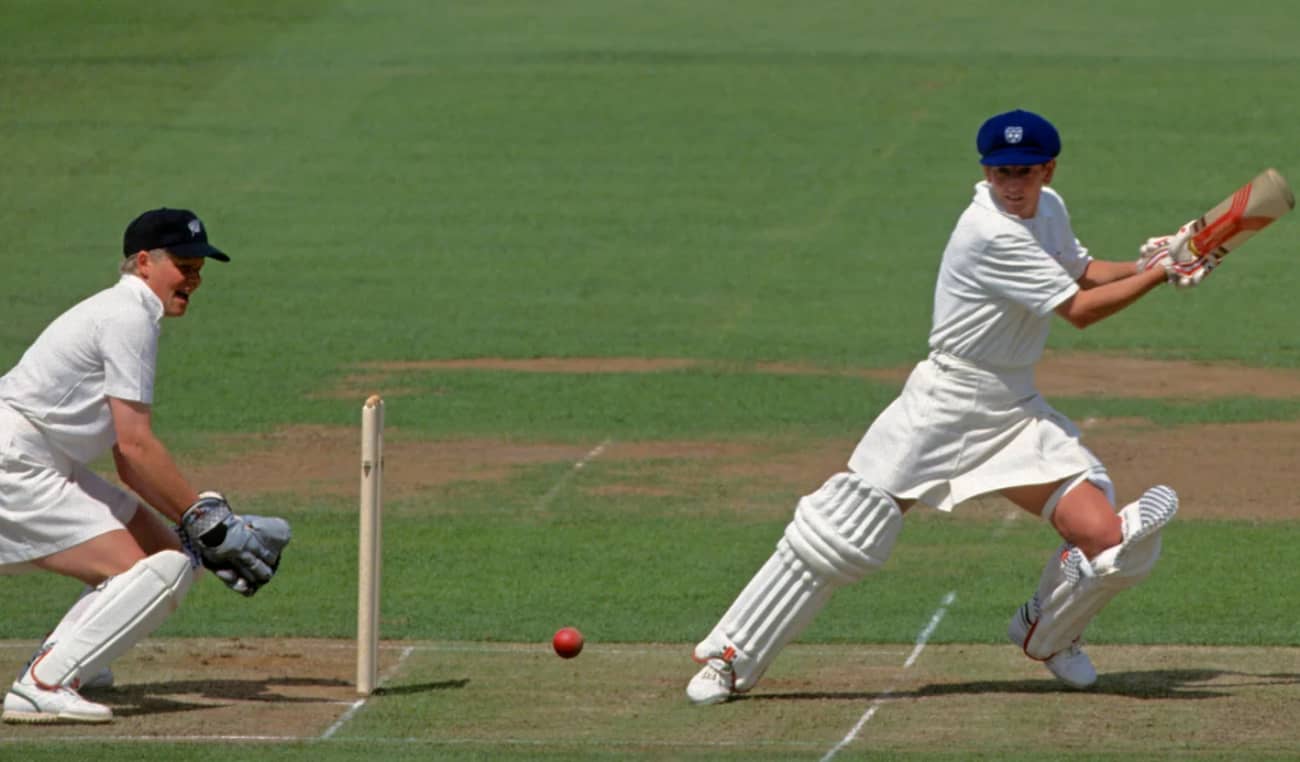
Let’s break down the numbers, the names, and the legacy behind them.
The All-Time Run-Scorers: Players With Most Runs in Women’s Test Cricket
Because Test matches are scheduled sparingly, the leaderboard moves slowly. That’s exactly why it carries so much weight. Here are the top run-scorers in the format as of 2025:
| Rank | Player | Country | Matches | Runs | Highest Score | Average | 100s | 50s |
|---|---|---|---|---|---|---|---|---|
| 1 | Janette Brittin | England | 27 | 1,935 | 167 | 49.61 | 5 | 11 |
| 2 | Charlotte Edwards | England | 23 | 1,676 | 117 | 44.10 | 4 | 9 |
| 3 | Rachael Heyhoe-Flint | England | 22 | 1,594 | 179 | 45.54 | 3 | 10 |
| 4 | Debbie Hockley | New Zealand | 19 | 1,301 | 126* | 52.04 | 4 | 7 |
| 5 | Carole Hodges | England | 18 | 1,164 | 158* | 40.13 | 2 | 6 |
| 6 | Sandhya Agarwal | India | 13 | 1,110 | 190 | 50.45 | 4 | 4 |
| 7 | Enid Bakewell | England | 12 | 1,078 | 124 | 59.88 | 4 | 7 |
| 8 | Sarah Taylor | England | 15 | 1,030 | 177 | 41.20 | 4 | 2 |
| 9 | Molly Maclagan | England | 14 | 1,007 | 119 | 41.95 | 2 | 6 |
(Note: With the format’s recent revival, active players are steadily closing the gap, but these nine remain the benchmark.)
What Makes These Records Stand Out?
The highest score in women’s test cricket by a player is 190, held by Sandhya Agarwal.
That innings alone tells you everything about the Indian pioneer’s temperament. She didn’t just survive the ball; she commanded it. Her average of 50.45 across just 23 innings is a masterclass in strike rotation and shot selection under pressure.
England dominates the leaderboard with six names, a reflection of their early institutional support for women’s cricket.
Players like Rachael Heyhoe-Flint and Charlotte Edwards didn’t just pile on runs; they built the infrastructure that allowed the modern game to thrive.
Brittin’s consistency (5 centuries, 11 fifties) remains unmatched, while Enid Bakewell’s staggering 59.88 average proves that quality always beats volume.
India’s Place on the Chart
When looking at Indian players with the most runs in women’s test cricket, Sandhya Agarwal stands alone at the top with 1,110 runs.
Her 190 against England in 1986 held the highest individual score record for years.
Today, players like Smriti Mandhana and Shafali Verma are building red-ball resumes, but Agarwal’s legacy remains the foundation.
Most runs in women’s Test cricket for India isn’t just a stat—it’s a blueprint for how Indian batters approach the longest format.
Why Test Cricket Still Matters?
You’ll hear the same question every year: why track players with most runs in women’s test cricket at all when T20 leagues pay more and draw bigger crowds?
The answer sits in the crease. Test cricket rewards discipline. It separates players who can adapt to deteriorating pitches from those who rely on flat tracks and power-hitting.
The technical foundation built in red-ball cricket translates directly to white-ball success.
Every modern batter who thrives in ODIs or T20s owes a debt to the patience learned in five-day cricket.
That’s why these records aren’t museum pieces. They’re living benchmarks.
Who Could Challenge the List Next?
The format is making a quiet comeback. England’s Heather Knight, Australia’s Beth Mooney, and India’s emerging core are playing more multi-day cricket than any generation since the 1990s.
If bilateral Test series continue to expand, the top 10 players with the most runs in women’s Test cricket will see fresh names climb the ladder within the next decade.
For now, the chart remains a tribute to pioneers who played when pitches were uncovered, gear was basic, and the spotlight rarely found them. They didn’t need it. They let the bat do the talking.
FAQs
Who holds the record for the most runs in women’s Test cricket?
Janette Brittin leads the all-time list with 1,935 runs across 27 matches, averaging 49.61 with 5 centuries.
Which Indian player has scored the most runs in women’s Tests?
Sandhya Agarwal tops the chart for India with 1,110 runs in 13 Tests, including the historic 190 against England.
What is the highest individual score in women’s Test cricket?
Sandhya Agarwal’s 190 remains the highest individual innings in women’s Test history.
Why are there so few women’s Test matches?
Broadcasting priorities, commercial focus on shorter formats, and scheduling constraints have limited Test fixtures. However, demand for red-ball cricket is steadily growing.
Do these records still matter with the rise of franchise cricket?
Absolutely. Test cricket builds technical resilience, match temperament, and adaptability—skills that directly elevate performance in ODIs and T20s.
Conclusion
Women’s Test cricket may not flood social media timelines, but it remains the purest measure of batting craft.
The players with the most runs in women’s test cricket didn’t just accumulate numbers; they shaped how the game is played today.
From Brittin’s relentless consistency to Agarwal’s historic 190, these legends proved that patience, technique, and temperament win out in the longest format.
Keep an eye on the upcoming bilateral red-ball series. The next generation is already stepping onto the pitch, and the record books won’t stay static forever.