by
by Most England cricketers retire comfortably. A select few retire wealthy.
Stuart Broad retired with $67 million because he understood one crucial fact: cricket earnings are temporary, but smart investments last forever.
The richest England cricketers 2026 didn’t just earn well. They invested better. ECB contracts provided the foundation.
IPL stints added boosts. But property portfolios, business ownership, and media careers created the lasting fortunes.
Ben Stokes turned World Cup heroics into premium brand deals. Jos Buttler leveraged T20 dominance into venture capital opportunities.
James Anderson proved that staying fit longer beats earning bigger shorter when combined with smart property buying.
Richest England Cricketers 2026
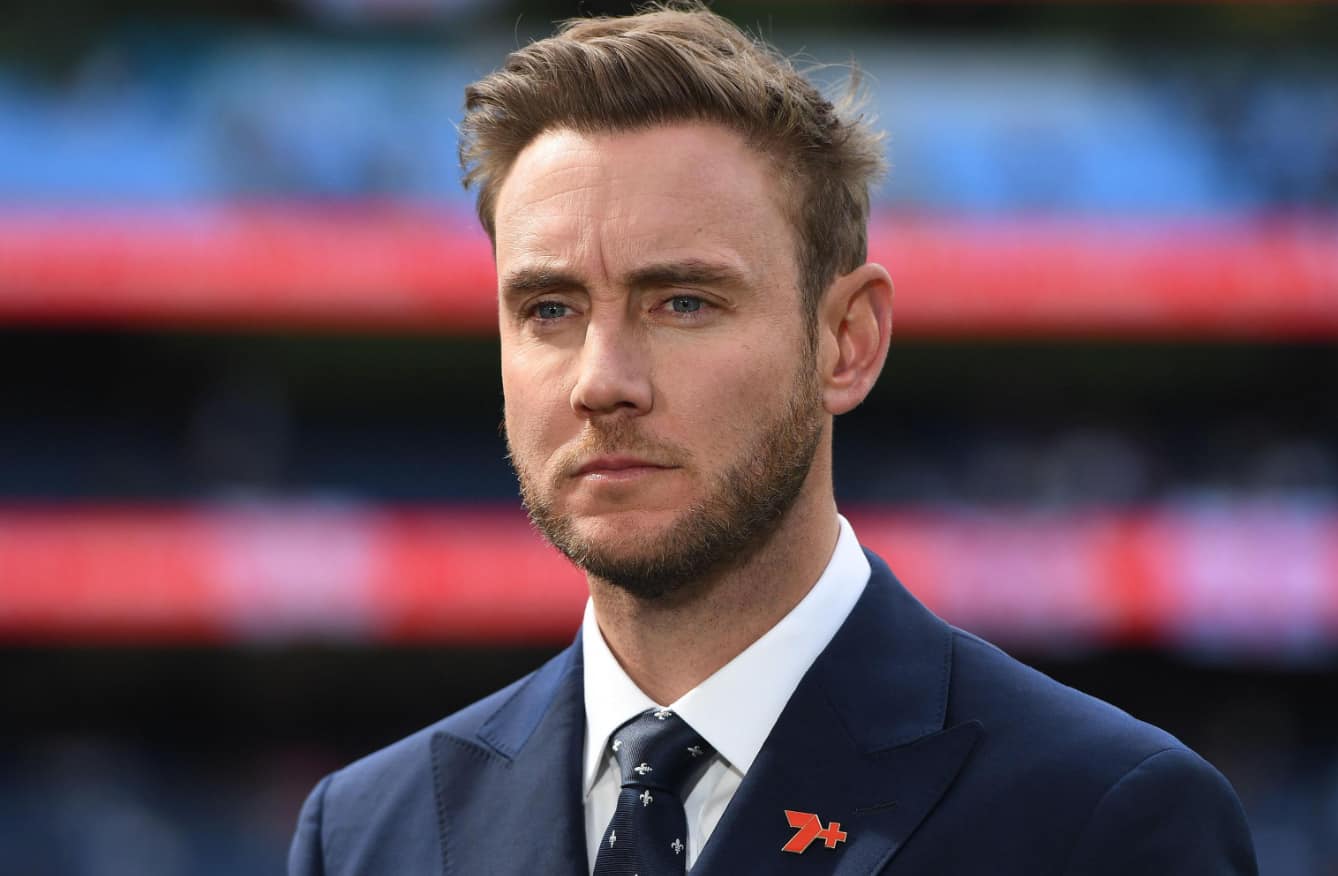
This ranking reveals who built the biggest fortunes and how they did it.
From television empires to gastropub chains, these seven players mastered wealth creation alongside mastering their cricket skills.
Top 7 Richest England Cricketers as of 2026
England’s cricket wealth is concentrated in these seven hands:
| Position | Player | Net Worth (INR) | Net Worth (USD) |
|---|---|---|---|
| 1 | Stuart Broad | ₹583 crore | $67 million |
| 2 | Andrew Flintoff | ₹182 crore | $21 million |
| 3 | James Anderson | ₹174 crore | $20 million |
| 4 | Graeme Swann | ₹139 crore | $16 million |
| 5 | Jos Buttler | ₹139 crore | $16 million |
| 6 | Ben Stokes | ₹113 crore | $13 million |
| 7 | Joe Root | ₹87 crore | $10 million |
The wealth distribution tells an interesting story. Three retired players hold top positions.
Their fortunes reflect complete career cycles plus years of post-retirement income growth.
Four active players still building their wealth. Buttler, Stokes, and Root will likely climb as careers continue and investments compound.
Their current positions represent work-in-progress rather than final totals.
Broad’s enormous lead shows what separates the comfortable from the extremely wealthy.
His $67 million is almost seven times Root’s $10 million. That gap isn’t just cricket skill. Its financial strategy has been executed for over 15+ years.
1. Stuart Broad
| Aspect | Details |
|---|---|
| Net worth | $67 million |
| Income sources | Business ventures, Property investments, Cricket media, Company revenue |
| Endorsements | Red Bull, Adidas, Hardy, Fitzdares |
| Business ventures | Tap and Run (Gastropub) Co-owner |
Stuart Broad’s $67 million makes him England cricket’s wealth champion.
His 15-year international career produced 604 Test wickets and consistent six-figure ECB contracts. That provided the capital for everything else.
Gastropub ownership generates revenue independent of his involvement. Professional management handles operations.
His name attracts initial customers. Quality food and service keep them returning. This business model creates passive income that continues indefinitely.
Property investments span multiple prime locations. These holdings produce two benefits. Monthly rental payments provide cash flow.
Long-term appreciation builds equity. Together, they create compound wealth growth impossible with salaries alone.
Premium brand partnerships deliver substantial guaranteed income. Red Bull and Adidas contracts often include multi-year commitments.
Ambassador roles post-retirement maintain income flow with minimal time requirements. These deals value long-term association over active performance.
Media work replaced cricket income seamlessly. His podcast and commentary positions leverage expertise without physical demands.
Broadcasting networks pay premium rates for voices fans actually trust and enjoy.
Broad’s status as the richest England cricketer reflects deliberate financial planning executed consistently throughout his career.
2. Andrew Flintoff
| Aspect | Details |
|---|---|
| Net worth | $21 million |
| Income sources | Cricket coaching, Media hosting, Brand partnerships |
| Endorsements | Jacamo, Morrisons |
| Business ventures | Freddie Flintoff Ltd |
Andrew Flintoff’s $21 million demonstrates how charisma converts to currency. His 2005 Ashes performances created legend status.
His personality created earning power that outlasted his playing days by decades.
Television presenting across non-cricket programming multiplied his income exponentially. Cricket commentary pays respectable rates.
Mainstream entertainment shows pay multiples of that. His programs attract millions beyond cricket audiences, justifying the premium presenter fees networks happily pay.
Brand partnerships target the mass market, consumers. Jacamo clothing and Morrisons supermarket value authenticity and relatability.
Flintoff’s approachable image fits these brands perfectly. They want someone consumers trust rather than someone consumers aspire to become.
Freddie Flintoff Ltd provides a corporate structure for all commercial activities. This maximizes income while optimizing tax treatment.
Professional management negotiates deals strategically rather than accepting whatever comes.
Coaching work with England development programs supplements income while maintaining cricket connections.
These positions pay well for limited time commitments. They position him for future opportunities within cricket administration.
3. James Anderson
| Aspect | Details |
|---|---|
| Net worth | $20 million |
| Income sources | Professional cricket, Brand deals |
| Endorsements | Thomas Cook Sport, Vampire, Wellman |
| Business ventures | Real estate |
James Anderson accumulated $20 million through remarkable career longevity.
Twenty years of international fast bowling meant two decades of top-tier contracts.
That duration multiplies total earnings far beyond what five-year careers achieve regardless of annual salaries.
His exclusive Test cricket focus actually maximized long-term wealth. T20 leagues offered immediate millions.
Anderson chose sustained Test excellence instead. Becoming history’s most successful fast bowler created brand value that premium-seeking sponsors preferred over T20 flash.
Health and wellness endorsements capitalize on his extraordinary fitness longevity.
Wellman vitamins and similar products benefit from his proof that their offerings work.
Staying effective into his 40s provides credibility that money can’t buy through traditional advertising.
Real estate represents his primary non-cricket wealth source. Properties across high-demand locations generate monthly rental income.
Market appreciation builds value steadily year after year. This traditional investment approach provides stability without requiring constant monitoring.
Classic car collecting serves dual purposes. He enjoys driving limited editions and vintage models.
These vehicles often appreciate significantly in value. They’re investments that happen to be functional rather than locked away.
Scandal-free career guaranteed endorsement longevity.
Brands terminated deals with problematic athletes regularly. Anderson’s clean record meant stable partnerships that lasted years and paid consistently.
4. Graeme Swann
| Aspect | Details |
|---|---|
| Net worth | $16 million |
| Income sources | Cricket commentary, Media appearances, Endorsements |
| Endorsements | Sports brands |
| Business ventures | Mentoring programs |
Graeme Swann built $16 million by making cricket fun to watch. His wit and entertaining commentary style made him popular during his playing days.
Those same qualities became extremely valuable commercially after retirement.
Broadcasting networks prioritize personalities that keep viewers engaged regardless of on-field action. Swann delivers this consistently.
His humor transforms dull sessions into entertaining viewing. Major tournaments pay premium daily rates that exceed what playing cricket earns.
The corporate speaking circuit provides substantial annual income. Companies pay five-figure fees for presentations about teamwork and pressure management.
His engaging delivery style makes these sessions valuable training investments for corporate budgets.
Mentoring programs serve developing athletes across multiple sports. His spin bowling expertise provides technical value.
His broader performance psychology insights offer general athletic development. Both aspects justify the premium coaching fees that his programs command.
Broadcasting visibility maintains his commercial value for endorsements.
Sports brands continue seeing benefit in association with his recognizable personality. Media presence keeps opportunities flowing despite retirement from playing.
5. Jos Buttler
| Aspect | Details |
|---|---|
| Net worth | $16 million |
| Income sources | ECB contract, IPL salary, Endorsements, Investments |
| Endorsements | Vitality, Oppo, Kookaburra, Castore, Booking.com |
| Business ventures | Player’s Fund (VC), Real estate, Wellness brands |
Jos Buttler’s $16 million showcases modern cricket’s global revenue streams. White-ball excellence made him valuable to England and profitable for T20 franchises worldwide. IPL alone pays millions annually for six weeks of cricket.
Top-tier ECB contracts exceed £700,000 before match fees and bonuses. This guaranteed annual base enables aggressive investment of variable league income. Smart wealth building uses stable income to support higher-risk growth investments.
Multiple international brands partnered with Buttler for his global cricket profile. Vitality, Oppo, and Booking.com all benefit from cricket’s worldwide reach. These partnerships often include equity components or performance escalators beyond base fees.
Player’s Fund represents strategic venture capital investing. This fund targets sports and wellness startups with growth potential. Successful portfolio company exits could multiply his stake values significantly beyond current estimates.
Geographic diversification through international property holdings hedges against local market risks. Real estate in multiple countries captures growth in different economies while reducing concentration risk.
An active playing career means wealth trajectory points sharply upward. Conservative projections suggest $25-30 million by retirement if smart investment discipline continues alongside cricket earnings.
6. Ben Stokes
| Aspect | Details |
|---|---|
| Net worth | $13 million |
| Income sources | ECB contract, Endorsements, Property investments |
| Endorsements | Adidas, Red Bull |
| Business ventures | CleanCo |
Ben Stokes built $13 million as cricket’s ultimate match-winner. His 2019 World Cup final performance at Lord’s permanently elevated his marketability. Single moments of brilliance changed his entire earning trajectory.
Premium brands Red Bull and Adidas pay top rates for his fearless competitive image. These partnerships extend beyond simple endorsements into content creation. Stokes features in Red Bull’s adventure sports content alongside extreme athletes. This integrated approach maximizes mutual value.
CleanCo investment demonstrates strategic brand alignment. Non-alcoholic spirits match his health-conscious public positioning. Significant company growth or acquisition would multiply this equity stake’s value substantially.
Property investments target high-appreciation markets with strong rental demand. This dual-income approach generates current cash flow through rents while building long-term wealth through appreciation. Both benefits accelerate total wealth accumulation.
Test captaincy provides leadership bonuses atop base contracts. Increased sponsor appeal accompanies the role. Additional income justifies the extra pressure and responsibility captaincy demands.
Continued peak performance suggests wealth doubling over the next decade. Smart investing combined with ongoing cricket earnings should push him toward $20-25 million by career’s end.
7. Joe Root
| Aspect | Details |
|---|---|
| Net worth | $10 million |
| Income sources | ECB contract, Endorsements, Investments |
| Endorsements | Vitality, Brut, New Balance |
| Business ventures | Property investments, Cricket media |
Joe Root accumulated $10 million as England’s batting backbone for over a decade.
Consistent technical excellence earned top-tier contracts throughout. Former Test captaincy increased both bonuses and marketability significantly.
Endorsement partnerships emphasize professional excellence over personality flash.
Vitality, Brut, and New Balance selected Root for sustained performance and reliability.
These brands value consistency and professionalism in their ambassador choices.
Conservative investment philosophy prioritizes reliable growth over speculative gains. Property purchases in proven markets provide steady appreciation.
Long-term holding allows compound growth to work magic. This approach suits his personality while achieving financial objectives.
Future media career groundwork continues. His articulate communication style and deep cricket knowledge make him a natural commentary material.
Post-playing income from broadcasting will supplement investment returns and provide a continued purpose.
Several peak earning years remain at age 33. Retirement wealth projections reach $15-18 million if the current trajectory continues through contract renewals and solid investment performance.
FAQs
- Q: Who is the richest England cricketer currently?
Stuart Broad has approximately $67 million in net worth. His wealth comes from a lengthy playing career, gastropub ownership, extensive property portfolio, premium brand endorsements (Red Bull, Adidas), and highly successful post-retirement media career.
- Q: What do England central contracts pay?
ECB central contracts range from £200,000 to £ 700,000 annually, depending on format specialization and seniority level. Top all-format players receive the highest tier contracts. Match fees and tournament bonuses add substantially to base salaries.
- Q: How do England players earn from IPL?
England players secure IPL contracts when international schedules permit. Jos Buttler and Ben Stokes have earned multi-million dollar contracts. England commitments sometimes prevent full tournament participation.
- Q: What businesses do wealthy England cricketers run?
Stuart Broad co-owns Tap and Run gastropubs. Ben Stokes invested in CleanCo non-alcoholic spirits. Andrew Flintoff operates Freddie Flintoff Ltd. Most players maintain substantial property investment portfolios. Jos Buttler invests in sports startups through venture capital.
- Q: Why is Stuart Broad significantly wealthier?
Broad combined 15+ year career earnings with exceptional business investments (gastropubs), extensive property holdings, premium long-term brand partnerships (Red Bull, Adidas), and a highly successful media transition, including podcasting and major broadcast commentary.
- Q: What income do retired cricketers generate?
Retired players earn through broadcasting commentary, corporate speaking engagements, coaching roles, continued endorsements, property rental income, business ownership profits, and investment portfolio returns. Many generate comparable or greater income than during their playing careers.
Conclusion: Cricket Wealth Built Right
Stuart Broad’s $67 million proves the richest England cricketer title requires exceptional business sense alongside cricket talent.
His wealth reflects smart decisions compounded over 15+ years.
These seven players chose different wealth-building paths. Flintoff leveraged charisma into television gold.
Anderson prioritized longevity over quick T20 riches. Buttler embraced global opportunities across formats and leagues.
The connecting thread? All invested during peak earning years. All built income streams are independent of physical performance.
All positioned themselves for substantial post-career earnings.
Rankings will shift as active players continue careers and investments mature. Buttler and Stokes could climb significantly.
New players might break through. But currently, these seven represent England cricket’s financial peak.
They proved that cricket creates opportunities. Capitalizing on those opportunities requires vision extending beyond match statistics into investment portfolios and business boardrooms.
Final Verdict:
Keep up with cricket player earnings, contract news, and wealth developments. Follow our coverage for updates on player finances, endorsement deals, and career transitions.